

YouTube is packed with opportunities, but how do you grow your channel without pouring money into ads?
Many creators spend hours crafting videos, shooting, editing, and polishing only to see little to no results. Frustrating, right? While paid promotion may seem like the quick fix, the real secret lies in something far more powerful organic traffic.
Organic traffic on YouTube means viewers discover your videos naturally through search, recommendations, or YouTube’s browse features. These viewers are genuinely interested, so they watch longer, engage more, and often turn into loyal subscribers.
In this guide, you’ll uncover 11 practical strategies to increase your organic reach, make your videos more visible, and grow a community that sticks with you for the long run.
Firstly, what is organic traffic?
Simply put, organic traffic is viewership that you don’t pay for. It encompasses anyone who discovers your video because YouTube’s system recommended it to them.
This is in direct contrast to paid traffic, which comes from paid ads businesses run through Google Ads, or promoted traffic, where you might pay an influencer to mention your video. Organic traffic on YouTube viewers find you through the platform’s native discovery mechanisms. It demonstrates the genuine engagement your content is receiving.
Why Organic Traffic on YouTube Matters?

Getting natural views on your YouTube channel is one of the best ways to grow your channel in the long run. Paid ads might give you a quick boost, but it doesn’t last. Let’s know why organic traffic matters:
A. Helps long-term growth
On YouTube, you need to remember that organic views build steady and lasting growth, unlike paid ads that give only a short boost.
B. Videos keep bringing views over time
If your video is well optimized, it can attract organic viewers for months or even years after it’s posted.
C. Brings high-quality viewers
People click on your YouTube video because the title and thumbnail match what they’re looking for, so they’re truly interested.
D. Leads to better engagement
These viewers are more likely to a. pay more attention to your videos, b. leave comments and likes, and c. become subscribers to your channel.
E. Keeps pocket happy
Organic traffic is free, helping you grow your channel without spending on ads.
Understanding SEO & Algorithm for Organic traffic on YouTube
YouTube, at its core, is a search engine for video, and its algorithm is designed with one primary goal: to keep people on the platform for as long as possible with organic traffic. As you understand how it works, you can tailor your content strategy to align with its objectives.
The YouTube Algorithm Decoded for Organic Traffic

YouTube’s algorithm is designed with one primary goal: keeping viewers on the platform for as long as possible. To achieve this, the algorithm considers several key factors when deciding which videos to recommend:
Viewer Satisfaction Metrics:
🧲 Time spent watching (total minutes)
🧲 Duration of session (the amount of time viewers spend on YouTube following your video)
🧲 The percentage of viewers who click on a video is referred to as the click rate.
🧲 Engagement signals (likes, comments, shares, saves)
YouTube Video Metadata and Relevance:
> Title, Tags, and description keywords
> Thumbnail effectiveness
> Video content alignment with metadata
Understanding these factors is crucial because they form the foundation of all organic traffic strategies on YouTube.
11 Proven Tips to Increase Organic Traffic on YouTube

Tip 1: Keyword Research Like a Pro
Keyword research is the cornerstone of YouTube SEO for the main cause, “organic traffic.” It is the process of finding the specific words and phrases people are typing into the search bar. By targeting these terms, you position your videos to be the solution to their query.
Here’s how to get started:
A. Make use of the search bar on YouTube: Type a broad topic and note the auto-suggestions. These reflect real user searches and offer great keyword ideas.
A. Look into Google Trends: Find which topics and keywords are rising in popularity.
C. Learn about your rivals: Check what keywords top creators in your niche use in their titles and descriptions.
D. Recognize the types of keywords:
1. Short-tail keywords (like “salad dressing ideas”) are general, get a lot of searches, but face high competition.
2. Long-tail keywords (like “quick and tasty 10 dressing ideas for salad”) are more detailed, have lower competition, and attract a more specific audience
Through the aid of a suitable individual, such as Tuberank Jeet, who understands market trends and assists with all other aspects as well.
Tip 2: Define Your Niche and Audience
You cannot create content for everyone. Attempting to do so results in generic videos that appeal to no one. Define your target demographic and niche precisely as the first step in a solid content strategy. Consider this:
- For whom am I creating videos?
- What issues are they resolving with the help of my videos?
- What special quality do I offer that they won’t find anywhere else?
Creating a “viewer persona,” a fictional representation of your ideal subscriber, can be immensely helpful. Give them a name, age, interests, and pain points. When you create a new video, create it for that specific person. This focus will make your content more relevant and compelling, helping you build a dedicated community of viewers who feel like you are speaking directly to them.
Tip 3: Prioritize High Watch Time & Audience Retention
Two of the most important things for growing your YouTube channel naturally are watch time and audience retention. You may learn more about the audience’s viewing habits and the times when we receive the most views by looking at the audience retention rate.
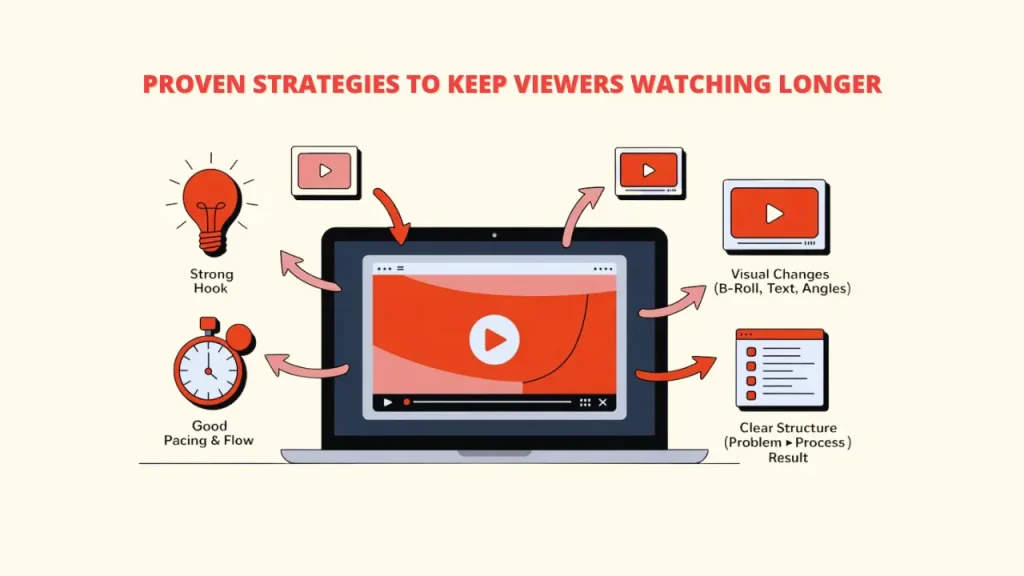
Start with a strong hook like a surprising fact, bold question, or quick preview.
To maintain their attention, concentrate on:
- Good pacing and flow
- Visual changes (like B-roll, text on screen, different angles)
- A clear structure: start with the problem, then show the process or solution, and end with the result.
Tip 4: Create Engaging, High-Quality Content
Quality means both how your video looks and what it offers. You’ll need the essentials, but brilliant ideas and good quality will work miracles.
🎧Audio should be clear – viewers will leave if they can’t hear you well. Use a good mic.
💡Lighting and video quality – try to shoot in bright spaces and aim for at least 1080p resolution.
Content-wise, your video should give something of value. It could teach, entertain, or inspire. End your videos with a clear call to action, ask viewers to like, comment, and subscribe, and explain how it helps your channel grow.
Tip 5: Consistency is Key
One thing you need to do is consistently build your YouTube anticipation and help establish your YouTube channel as a reliable source of content in your niche. This doesn’t mean you need to upload daily, but you should maintain a predictable schedule.
A. Establish a Realistic Schedule: Choose a publishing frequency you can maintain long-term. It’s better to publish one high-quality video per week consistently than to publish daily for a month and then disappear.
B. Communicate Your Schedule: Let your audience know when they can expect new content. Include your upload schedule in your channel banner, mention it in videos, and consider using YouTube’s premiere feature to build anticipation.
Tip 6: Craft Compelling Titles
Your video title is one of the strongest tools for getting noticed by both YouTube’s algorithm and real viewers. A great title should not only include the right keywords for search but also pique people’s curiosity enough to click.
Use tools like TuberankJeet to help you find popular topics and keywords that have good traffic and viewer interest.
Here’s how to write a strong title:
✅ Use your main keyword naturally, preferably at the beginning
✅ Add a reason to click—like a benefit or a catchy phrase.
✅ It should be brief and concise to avoid being truncated in search results.
For example, instead of “Easy Breakfast Recipe,” try “Easy Breakfast Recipe (Great for Weight Loss)”—it’s more specific and gives people a reason to watch.
Tip 7: Design Click-Worthy Custom Thumbnails
Think of your thumbnail as your video’s poster—it’s the first thing people see when scrolling. In a long list of videos, a strong thumbnail is what makes yours stand out and get clicked.
Here’s how to make a good one:
🔺Use bright, bold colors that catch the eye
🔺Add just a few large, clear words that match the video title
🔺 Use photos of faces—especially with emotion—to connect with viewers.
🔺 Clear and interactive icons are necessary for thumbnails.
You can also experiment with various thumbnail styles to see which ones your audience clicks on the most.
Tip 8: Maximize Relevant Tags
You may also use tags to provide YouTube with context for your YouTube video. While their importance has diminished slightly over the years, they still play a role in helping the algorithm categorize your content, especially for new channels.
YouTube tags help you know what your video is about and can help with visibility—especially if your channel is still new.
Use a mix of tag types:
🔺Start with the first tag, which should be your primary keyword.
🔺Add broad tags that describe your general topic (e.g., “home cooking,” “DIY projects”)
🔺 Next, add relevant long-tail tags to your video (for example, “beginners’ easy bookshelf tutorial”). With the help of services like Tuberank Jeet, you can easily obtain the best tags.
You can also look at top videos in your niche for tag ideas—but only use ones that match your content honestly.
Tip 9: Engage with Your Community
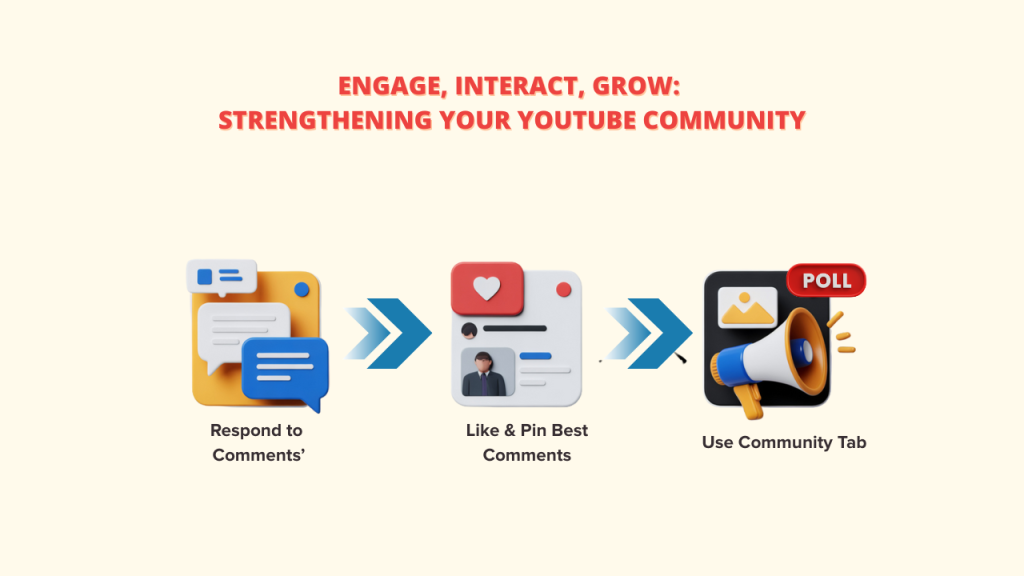
YouTube is a social platform where, without a great community of subscribers, you can aim for long-term organic views on YouTube. You can build it by:
💬 Being proactive and responding to comments and expressing gratitude demonstrates your concern.
❤️ To promote more deliberate interaction, pin or like the best comments.
📢 In between uploads, use the Community Tab to share behind-the-scenes images, polls, and updates to keep your audience engaged.
This helps keep your subscribers interested and builds stronger relationships.
Tip 10: Promote Your Videos Across Social Media
Share your new videos on other social media platforms where you have a presence, but do it strategically to increase organic traffic on YouTube. Don’t just share a link. Customize the content for each platform.
For Instagram or TikTok, create a short, vertical video teaser that highlights an exciting moment from your full YouTube video. On X or Facebook, you could post the thumbnail along with a compelling question to spark a conversation with the link to the full video. This cross-platform promotion introduces your YouTube content to new audiences.
Tip 11: Understanding Key Metrics
YouTube Analytics provides valuable insights that can guide your organic traffic strategy:
Impressions and Click-Through Rate (CTR): Monitor how often your videos appear in search results and recommendations, and what percentage of people click on them. Low CTR might indicate issues with titles or thumbnails.
Traffic Sources: Identify where your organic traffic comes from (search, suggested videos, browse features) to understand which strategies are working best.
Audience Retention Patterns: Study when viewers typically drop off to improve your content structure and pacing.
Conclusion: Building Sustainable Organic Growth on YouTube
If you want to increase your organic traffic on YouTube without paying for ads, the secret is simple: offer real value to your audience and make sure YouTube’s system understands your content.
It starts with the basics: solid keyword research and a good grasp of how the algorithm works. From there, focus on creating engaging, high-quality videos that keep viewers hooked. Support that effort with well-optimized titles, thumbnails, tags, descriptions, and categories so both viewers and YouTube can find you easily.
Remember, YouTube rewards channels that keep audiences happy and engaged. Tools like TubeRank Jeet can give you a competitive edge by analyzing what others are doing and showing you how to improve your performance.
If you stay consistent and keep improving, you’ll build a strong base that helps your channel grow naturally over time.
✅ Start now: apply these tips, monitor your progress, and adjust based on what works best for your niche.
📈 Your journey to organic traffic and growth begins with the next well-optimized YouTube video.