
Being a YouTuber is a major career choice these days. Not just individuals, even well-known companies are prioritizing videos over written blog posts these days.
In the current digital environment, YouTube is a major player in content consumption. With over 2 billion monthly active users and daily views surpassing 1 billion hours, the platform offers immense potential for brand engagement and community building.
However, this also means fierce competition, making video optimization crucial for visibility and success.
Understanding the YouTube SEO Algorithm
YouTube SEO begins with thorough keyword research. Tools like Google Keyword Planner and TubeRank Jeet can help identify trending topics and search terms relevant to your niche. Your chances of being discovered are increased when you use these insights to match your content that aligns with what viewers are actively searching for.
What is YouTube SEO?

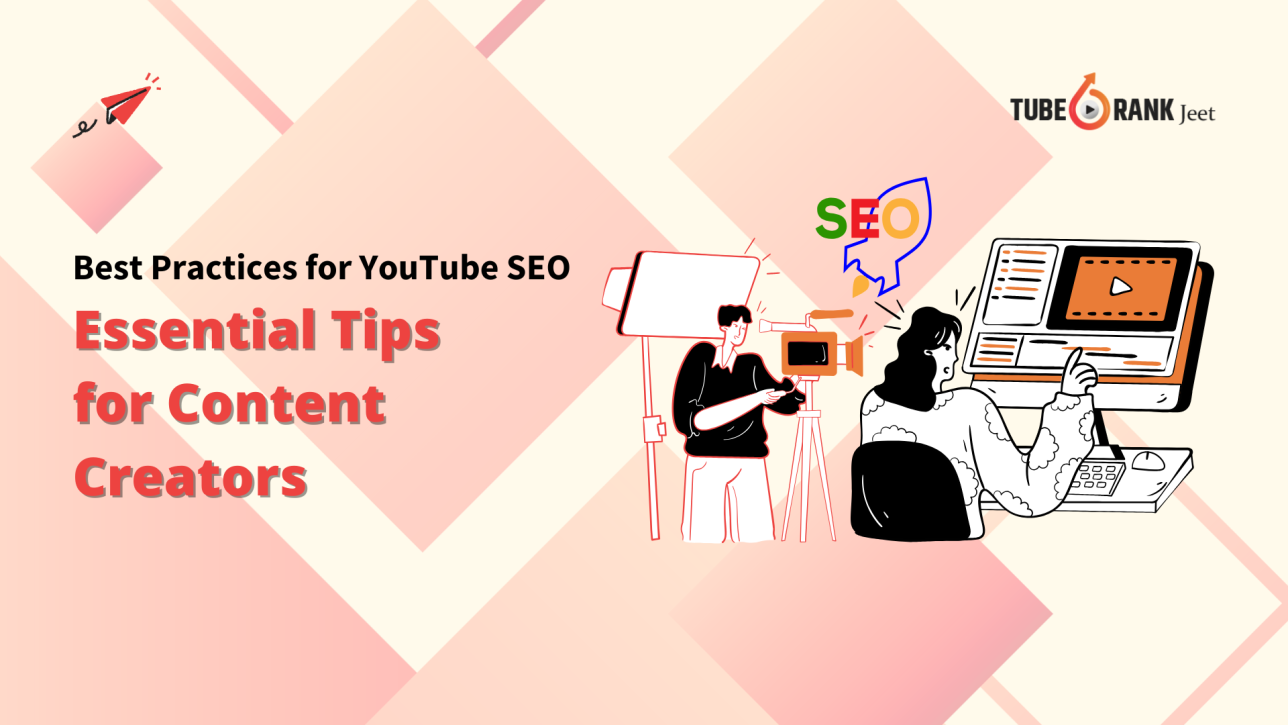
YouTube SEO refers to optimizing your video title, tags, thumbnail, timestamps, and audio visuals to align with the YouTube search algorithm’s criteria, enabling them to appear more frequently in YouTube searches, relevant user feeds, and recommendations. It includes things like:
➕ Using the right keywords people are searching for
➕ Adding eye-catching thumbnails and titles
➕ It’s crucial to write concise and useful video descriptions; use tools like Tuberank Jeet, which uses artificial intelligence to create ideal titles and descriptions.
The main aim is to make your videos easier to find for viewers who are looking for similar content.
Boost Your Videos with Best Practices for YouTube SEO
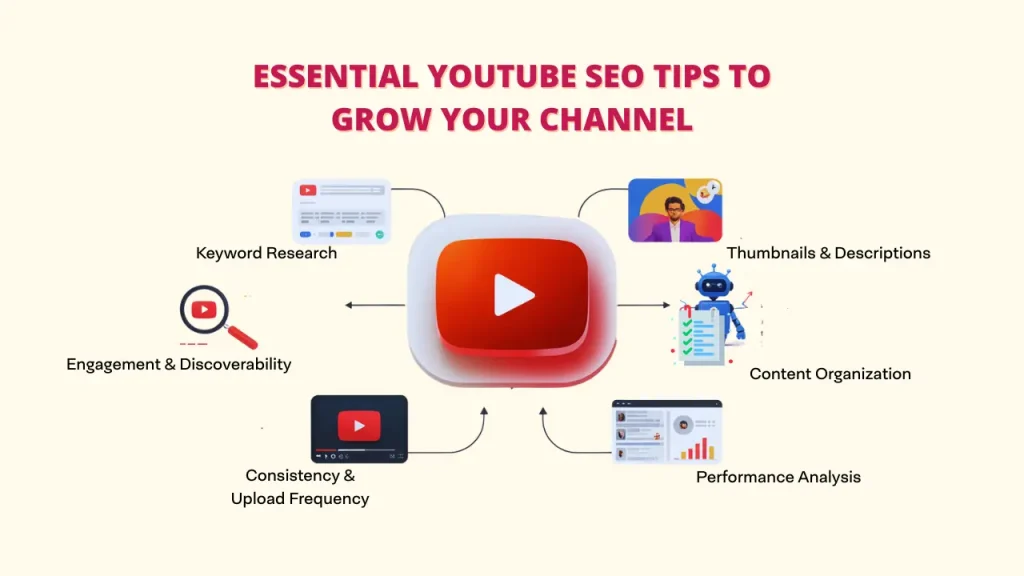
1. Keyword Research and Optimization
To implement great practices, you must first identify your keywords and incorporate them into optimized video titles.
Captivating and descriptive titles that naturally incorporate primary keywords are essential for effective YouTube SEO. Remember that titles appear in search results and recommendations, serving as your first opportunity to attract potential viewers.
2. Visual and Descriptive Elements
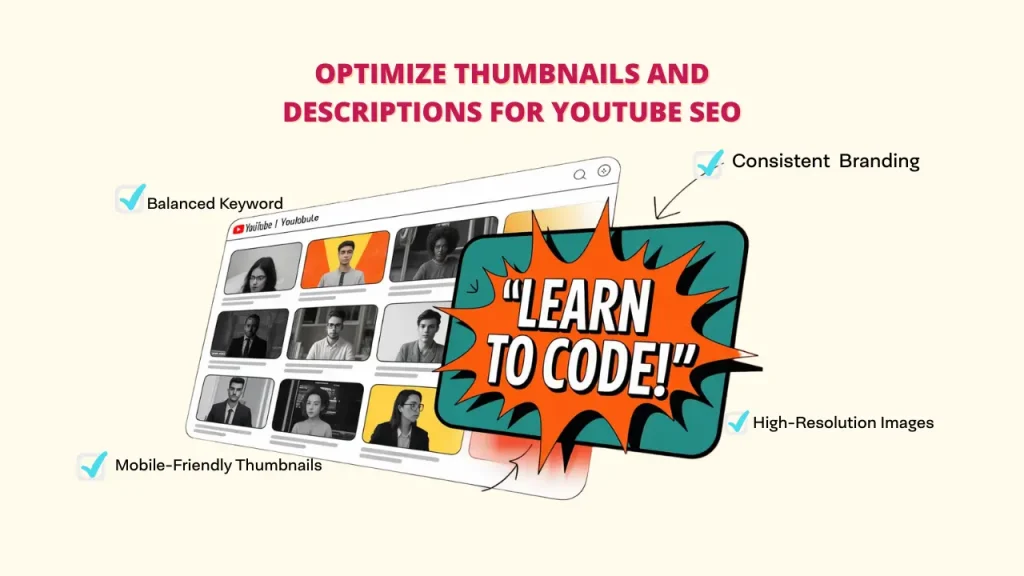
Using best practices for YouTube SEO to increase visibility and draw in viewers requires optimizing your video’s images and descriptions, as well as researching effective target keywords.
➡️Build thumbnails that stand out in crowded search results by using contrasting colors.
➡️ Use expressive imagery in thumbnails that accurately represent your content.
➡️ Provide readable, unambiguous language on thumbnails that supports the title of your film.
➡️ Ensure thumbnails complement your title to create a cohesive first impression.
➡️ Videos should have descriptions that are full of keywords and efficiently summarize the content.
The video description offers valuable real estate for YouTube SEO. Craft detailed, keyword-rich descriptions that summarize your content and provide additional context. Include relevant links, timestamps for longer videos, and calls to action to enhance user experience.
3. Maximizing Engagement and Discoverability
Strategic tag selection enhances your video’s discoverability. Combine broad category tags with specific, niche-focused ones to appear in both general searches and more targeted queries.
Viewer engagement metrics significantly influence the YouTube ranking algorithm. YouTube videos generating substantial likes, comments, and shares signal value to YouTube. Actively encourage engagement by asking questions, responding to comments, and creating content that naturally inspires audience interaction.
4. Strategic Content Organization
Organizing videos into thoughtfully curated playlists serves multiple purposes. Playlists increase watch time by automatically playing the next relevant video, improve your YouTube channel navigation, and provide additional opportunities for keyword optimization. They also help establish your channel’s authority in specific topic areas.
5. Analyzing Performance
Finally, regular performance analysis through YouTube Analytics allows you to refine your approach. Keep tabs on metrics like demographic data, traffic sources, audience retention, and watch time. These insights reveal what’s working and what isn’t, enabling data-driven decisions with the right assistance, like Tuberank Jeet, to continuously improve your YouTube SEO strategy.
Implementing these practices consistently will help content creators navigate the YouTube SEO competitive landscape more effectively, expanding their reach and building a more engaged audience over time.
Conclusion: Mastering YouTube SEO for Long-Term Success
As you read this article through to the end, you should realize that mastering YouTube SEO is crucial for success on YouTube today, which calls for more than just excellent content.
Boost your channel’s visibility by using strong keywords, SEO-friendly titles, eye-catching thumbnails, and real audience engagement. Tools like TubeRank Jeet, which offer competitor analysis and precise optimization tips, can significantly enhance your results and are highly recommended.
As the platform’s algorithm continues to prioritize viewer satisfaction through metrics like watch time and engagement, adapting your approach is key.
Stay consistent with your optimization efforts on your YouTube channel, monitor your analytics closely, and refine your strategy as needed. While growth may take time, a strong YouTube SEO foundation sets the stage for long-term success and a loyal subscriber base.
Frequently Asked Questions (FAQs) for Best Practices for YouTube SEO
What is the recommended frequency for updating a YouTube SEO strategy?
With the correct support, such as Tuberankjeet, which provides AI insights for subjects, markets, and the examination of competitors.
Does video length on YouTube affect YouTube SEO?
How important are hashtags for YouTube SEO?
Can I enhance the YouTube SEO of videos that I’ve already released?
Consider adding timestamps, updated information, or improved calls to action in the description to enhance user experience.